
 By
By 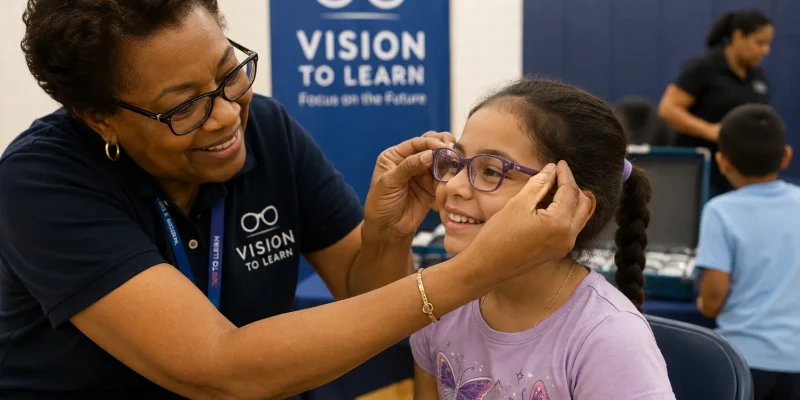
A child may have the right books, uniform, and school supplies but still struggle if the board looks blurry. Choosing Stylish glasses for kids can help children see clearly while feeling comfortable and confident in class. The right pair supports daily learning, from copying notes to reading signs and recognising a teacher’s expressions.
Why Clear Vision Matters at School
Children use their vision throughout the school day. They look across the room, focus on books, switch between the board and worksheets, and follow moving objects during physical activities.
Uncorrected refractive errors can cause blurred vision. These include myopia, hyperopia, and astigmatism. The World Health Organization notes that uncorrected refractive error can contribute to poor academic performance in children. Appropriate eyeglasses can correct reduced vision caused by these errors.
Clear sight does not guarantee high grades, but it removes a barrier that can make learning harder. When children can see classroom materials clearly, they may find it easier to:
- Copy words and numbers accurately
- Follow diagrams and demonstrations
- Read without moving unusually close to the page
- Join classroom discussions confidently
- Take part in sports and playground activities
Signs a Child May Not See the Board Clearly
Children do not always know that their vision is different. They may think a blurry board is normal, especially if their eyesight changed slowly.
Parents and teachers should watch for:
- Squinting when looking across the classroom
- Moving closer to the television or classroom board
- Holding books or devices very near the face
- Rubbing the eyes during homework
- Complaining about headaches after reading
- Losing their place while copying notes
- Avoiding detailed schoolwork
- Tilting the head or covering one eye
The CDC advises having a child’s vision checked when squinting, eye rubbing, or headaches appear after schoolwork. A school screening can identify children who may need further care. However, a comprehensive eye examination by an optometrist or ophthalmologist can diagnose vision problems.
Choosing Kids Glasses for Daily School Use
A correct prescription is the starting point. The frame must also fit properly because children wear their glasses while reading, playing, and moving between classes.
Look for a Secure and Comfortable Fit
Frames should sit evenly without sliding down the nose. The temples should not pinch behind the ears, and the frame should not press against the cheeks. A trained eyewear professional can adjust the glasses so the lenses stay in the correct position.
The International Agency for the Prevention of Blindness recommends comfortable spectacles adapted to each child. It also notes that discomfort and poorly fitted frames can reduce regular wear.
Choose Suitable Materials
Lightweight frames may feel more comfortable during a long school day. Flexible materials can be useful for younger or active children. Durable hinges and well-fitted temples may also help the glasses handle daily movement.
The best choice depends on the child’s age, prescription, face shape, and activities. Children who play sports may need separate protective eyewear because ordinary prescription glasses do not protect against every impact.
Let the Child Join the Decision
Children are more likely to wear glasses they genuinely like. Allowing them to choose suitable colours and shapes can give them a sense of control.
This is where fashionable children’s eyewear can support both function and confidence. Stylish glasses for kids should still fit correctly, hold the prescribed lenses securely, and feel comfortable throughout the day.
Consider Eyewear for Outdoor Use
Children need sun protection for their eyes, just like adults. Families may consider two pairs: regular prescription glasses for indoor use and prescription sunglasses for outdoor activities, school trips, and sports days.
Transitions® lenses are another convenient option. They remain clear indoors and darken outdoors, which may suit children who are likely to forget or misplace a second pair. An eyecare professional can recommend the best option based on the child’s prescription and daily routine.
Helping Children Build a Glasses Routine
Even a well-fitted pair cannot help when it stays inside the school bag. A simple routine makes consistent wear easier.
Parents can encourage children to:
- Put on their glasses after getting dressed.
- Store them in a protective case when not in use.
- Clean the lenses with a proper lens cloth.
- Tell an adult when the frame feels loose or uncomfortable.
Teachers can help with quiet reminders and suitable seating while a child waits for new or adjusted glasses.
Eye Checks Should Continue After Getting Glasses
Children’s eyes can change as they grow. A prescription that worked before may no longer provide clear vision. Regular eye examinations allow an eyecare professional to check visual clarity, eye health, lens needs, and frame fit.
Parents should arrange an earlier review when a child begins squinting again, reports headaches, avoids wearing the glasses, or says the board has become difficult to read.
Spectacle Hut carries children’s optical frames and sunglasses and provides customised myopia management support through eyecare professionals. Families should choose services based on the child’s examination results and individual vision needs.
A Clearer Start to the School Day
School readiness includes more than stationery and study habits. Children also need clear, comfortable vision for reading, writing, classroom participation, and play. By noticing warning signs, arranging proper eye examinations, and choosing glasses that fit well, parents can help children face each school day with greater comfort and confidence.



Comments