
 By
By 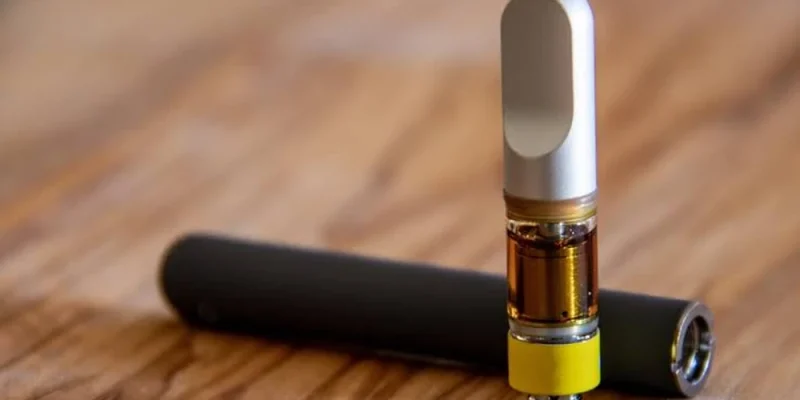
Battery voltage is the single biggest lever behind how strong or mild a vape session feels. Push the voltage higher, and more electrical energy reaches the heating coil, which raises the coil temperature and produces thicker, denser vapour along with a stronger pull of flavour from the extract. Drop the voltage down, and the output softens, letting more delicate compounds come through instead of burning off early. thca vapes tend to include adjustable voltage settings, since output needs to flex depending on what’s loaded and the kind of draw someone wants. That relationship isn’t linear. A small voltage increase can produce a much larger jump in output, since the energy reaching the coil scales faster than voltage itself. A setting that looks like a minor dial adjustment can shift vapour density more than expected, which is part of why fine-tuning matters more on these devices than it might seem at first glance.
Voltage and coil temperature
Raising the voltage pushes more current through the coil, and that current generates heat through resistive heating, the same principle behind any electrical heating element. Higher voltage means a higher coil temperature, reached faster too, since more energy arrives per second rather than building up gradually.
Coil temperature drives output directly, since vapour only forms once the extract gets hot enough to vaporise rather than just warm. A hotter coil pulls more extract into vapour per draw, which is the direct source of thicker output at higher voltage settings, and it’s also why identical cartridges can feel completely different once voltage changes.
Output changes across the range
Voltage doesn’t produce a flat, steady increase in output across its full range. Vapour density climbs through a middle range, then flattens once the temperature passes the point where the extract is already vaporising close to fully.
Pushing voltage further mostly risks degrading compounds rather than adding real output, since only so much extract is available to vaporise per draw, regardless of how much heat gets added.
- Low settings under vaporise extract, leaving weaker draws.
- Mid-range settings produce the steepest output increase per voltage step.
- High settings tend to plateau, adding harshness more than vapour.
Voltage step increments
Most adjustable devices move in small fixed increments rather than a continuous range, and each step changes output by a different amount depending on where it sits on the curve. A step near the low end often makes a barely noticeable difference in vapour output, while the same size step in the middle range can shift output substantially.
That uneven spacing is why two people running what looks like a similar setting can end up with noticeably different output, especially if their devices don’t use identical increment sizes.
- Increments near the bottom of the range tend to produce smaller output shifts.
- Increments in the middle range often produce the most noticeable output changes.
- Increments near the top rarely add meaningful output beyond a certain point.
Knowing where a device’s increments actually land on the output curve matters more than the raw number displayed on the screen, since two devices showing the same setting can still behave quite differently underneath. Matching voltage to the output someone wants, denser vapour or a gentler draw, comes down to this direct link between voltage and how much energy reaches the coil.

Comments